Monday, September 18, 2023

Introduction to Sikhism: A Journey of Faith and Equality


Sikhism, often referred to as Sikh Dharam in Punjabi, is a monotheistic religion that originated in the Punjab region of South Asia in the late 15th century. This faith, founded by Guru Nanak Dev Ji and subsequently developed by ten successive spiritual leaders known as Gurus, has since grown into one of the world's major religions. Sikhism is a profound and inclusive belief system that emphasizes devotion to one God, equality among all individuals, selfless service, and the pursuit of spiritual enlightenment.

Key Beliefs and Principles:

Monotheism (Ek Onkar): Sikhism revolves around the belief in a single, formless, and eternal God, often referred to as "Waheguru" or "Ek Onkar." Sikhs believe that God is the creator of the universe and resides within all living beings.

Equality (Sarbat da Bhala): One of the core principles of Sikhism is the concept of equality. Sikhs believe that all human beings are equal, regardless of their caste, creed, gender, or social status. This belief in equality is deeply ingrained in Sikh practices.

Read more about major teachings of Baba Guru Nanak Dev Sahib Ji

Selfless Service (Seva): Service to humanity is highly emphasized in Sikhism. Sikhs engage in selfless service, known as "Seva," by providing food, shelter, and assistance to those in need. The langar, a free community kitchen found in Sikh temples (Gurdwaras), serves as a symbol of this commitment to service.

Guru Granth Sahib: The Sikh holy scripture, Guru Granth Sahib, is central to Sikh religious practices. It is considered the eternal Guru and contains hymns and teachings not only from Sikh Gurus but also from saints and sages of various religious backgrounds. Sikhs show great reverence for the Guru Granth Sahib, and it is recited and sung during religious ceremonies.

The Five Ks (Kakkar): Sikhs who have been initiated into the Khalsa, a distinct Sikh community, are required to maintain the "Five Ks" as external symbols of their faith. These include Kesh (uncut hair), Kara (a steel bracelet), Kanga (a wooden comb), Kachera (cotton undergarments), and Kirpan (a ceremonial sword).

Meditation and Prayer (Simran): Sikhs engage in meditation and prayer to connect with God. Repetition of God's name, known as "Simran," helps individuals maintain a spiritual focus and cultivate a deeper sense of devotion.

Community and Fellowship: Sikhism places a strong emphasis on community and fellowship. Gurdwaras serve as not only places of worship but also as centers for social and communal activities. Langar, the communal meal served in Gurdwaras, symbolizes the importance of shared meals and equality among all.

Sikhism is a faith that promotes a holistic approach to life, where spirituality is intertwined with everyday living. Sikhs strive to live according to the teachings of their Gurus, seeking to lead lives of humility, compassion, and selflessness. Over the centuries, Sikhism has made significant contributions to society, including in the fields of education, social reform, and humanitarian aid.

With its rich history, spiritual depth, and commitment to equality and service, Sikhism continues to inspire people worldwide, fostering a sense of unity, community, and devotion to the One Creator.

Friday, September 08, 2023

Poem: The Heroes of Epic Saragarhi Battle


Poem: The Heroes of Epic Saragarhi Battle


In the rugged hills of Saragarhi, they stood,

A band of heroes, courageous and good.

Soldiers of valor, in a distant land,

Defending their post, a noble last stand.


Twenty-one strong, hearts filled with pride,

On that fateful day, they couldn't hide.

From the enemy's horde, waves after wave,

They stood undeterred, brave and grave.


Sikh warriors, their turbans held high,

Facing a relentless foe, they would not shy.

Bullets rained down like a monsoon storm,

But these brave souls stood firm, in uniform.


With rifles in hand and faith in their hearts,

They fought for their homeland, played their parts.

Against overwhelming odds, they stood tall,

In the face of death, they gave their all.


Saragarhi, a battle for the ages, we recall,

Where heroes rose, they gave their all.

Their sacrifice echoes through history's page,

A symbol of courage and unwavering courage.


In the annals of valor, their story lives on,

For the Twenty-one, who were forever gone.

Saragarhi's glory, a beacon so bright,

Guiding us through the darkest of night.


We honor their memory, their sacrifice so grand,

In the heart of every woman and every man.

For the heroes of Saragarhi, we stand in awe,

Saluting their bravery, forevermore.

-----------------------------

Names of the Saragarhi Martyrs

1. Havildar S. Ishar Singh Gill, Village Jhorran, District Ludhiana (Commander)

2. S. Lal Singh Naik

3. S. Chanda Singh Las Naik

4. S. Sundar Singh

5. S. Uttam Singh

6. S. Hira Singh

7. S. Ram Singh

8. S . Jiva Singh

9. S . Jeevan Singh

10. S. Gurmukh Singh Signalman

11. S. Bhola Singh

12. S. Bela Singh

13. S. Nand Singh

14. S. Sahib Singh

15. S. Daya Singh

16. S: Bhagwan Singh

17. S. Narain Singh

18. S. Gurmukh Singh

19. S. Sinder Singh (All these are of soldier rank)

20. S. Sevadar Dau Singh

21. S. Dad Singh

Are Sikhs part of Hindu religion?


Sikhs are not Hindus. Sikhism is a distinct religious tradition that emerged in the Indian subcontinent in the late 15th century under the teachings of Guru Nanak Dev Ji and subsequent Sikh Gurus. Sikhism has its own unique beliefs, practices, scriptures, and a distinct identity.

Here are some key differences between Sikhism and Hinduism:

Beliefs: Sikhism is monotheistic, believing in one formless and transcendent God. Hinduism, on the other hand, is a diverse religion with various beliefs in multiple deities, including both monotheistic and polytheistic sects.

Religious Texts: Sikhs follow the Guru Granth Sahib, their central religious scripture, which is a collection of hymns and teachings of Sikh Gurus. Hinduism has a vast body of sacred texts, including the Vedas, Upanishads, Bhagavad Gita, and others, depending on the sect or tradition within Hinduism.

Worship and Practices: Sikh worship primarily takes place in a Gurdwara, where congregational singing of hymns, known as Kirtan, and reading of the Guru Granth Sahib occur. Hindu worship practices vary widely but often include offerings, rituals, and ceremonies performed at temples or home shrines.

Religious Symbols: Sikhs are known for wearing the Five Ks, which include the Kesh (uncut hair), Kara (steel bracelet), Kanga (wooden comb), Kachera (cotton undergarments), and Kirpan (ceremonial sword). These symbols are important in Sikh identity. Hindus do not have equivalent religious symbols.

Social Structure: Sikhism rejects the caste system that has been traditionally associated with Hinduism. Sikhism promotes the equality of all human beings.

Founder and History: Sikhism was founded by Guru Nanak Dev Ji in the 15th century and developed under the guidance of successive Sikh Gurus. Hinduism does not have a single founder and has evolved over thousands of years.

While Sikhism originated in the Indian subcontinent and shares some cultural and geographical elements with Hinduism, it is a separate and distinct religion with its own set of beliefs and practices. Sikhs should not be considered Hindus, as they have their own religious identity.

Saturday, September 02, 2023

Poem: Bhai Bachittar Singh's fight with Elephant


In the realm of courage, where legends take their flight,

Bhai Bachittar Singh, a warrior shining bright,

Faced a drunken elephant, a colossal, fearsome might,

With his trusty nagni barcha, he entered the fight.


The Mughal's mighty beast, in a drunken, raging spree,

Charged with fury, a force none could foresee,

But Bhai Bachittar Singh, with heart so bold and free,

Stood unwavering, a Sikh of Guru's decree.


With nagni barcha in hand, he faced the immense,

A spear so resolute, a symbol of defense,

In the Guru's name, he'd never recompense,

A fearless warrior, in his sacred recompense.


The wounded elephant, in pain and retreat,

Crushed the Mughals beneath his colossal feet,

Bhai Bachittar Singh's valor, a victory sweet,

In the name of justice, his foes faced defeat.


In the annals of Sikh history, his legend does gleam,

A symbol of courage, in a perilous dream,

Bhai Bachittar Singh, in valor supreme,

A warrior of the Guru, a radiant beam.


With nagni barcha in hand, his name we'll repeat,

A fearless defender, in battles so fleet,

Bhai Bachittar Singh Ji, your bravery so sweet,

In Sikhism's legacy, your story is complete

-----------

Poem Copyright Sarabjeet Singh

Poem: Valoure of Bhai Bidhi Chand Ji


In the tapestry of Sikh history, a hero's name does shine,

Bhai Bidhi Chand Ji, devotion in every line.

A valiant Sikh, with spirit brave and true,

In service of the Guru, he always knew what to do.


With a heart full of love, and humility so deep,

In Guru Arjan's time, his faith he'd always keep.

A disciple so loyal, with unwavering grace,

In the Guru's service, he'd find his rightful place.


Bhai Bidhi Chand Ji, a warrior of renown,

In battles for justice, he'd wear a fearless crown.

But it wasn't just might that defined his worth,

It was his devotion, his love for the Guru's birth.


He recovered the stolen horses, swift as the wind,

For Guru Hargobind, his actions were kind.

A true messenger of the Guru's divine light,

In times of darkness, he'd shine ever so bright.


With Guru Hargobind, through thick and thin,

In the face of adversity, they'd together win.

Bhai Bidhi Chand Ji, in history's embrace,

A symbol of devotion, a sacred, timeless grace.


In Sikhism's legacy, his name forever etched,

A disciple of courage, in every heart, he's fetched.

Bhai Bidhi Chand Ji, your story we'll repeat,

A beacon of faith, in Sikhism, so sweet.

----------------

Poem Copyright Sarabjeet Singh


Rangrete Guru Ke Bete -- Bhai Jaita Ji (Bhai Jivan Singh Ji)


In the pages of history, a tale so grand,

Of Bhai Jaita Ji, with a noble heart and hand.

Carrying Guru Teg Bahadar Ji's head with grace,

To Anandpur Sahib, in a sacred, solemn embrace.


"Rangrete Guru Ke Bete," they hailed his name,

For his devotion to the Guru, his undying flame.

With the Guru's severed head, he rode with pride,

Through perilous journeys, with the Guru as his guide.


Through forests dense and rivers wide,

Bhai Jaita Ji remained undaunted, with courage as his guide.

In the darkest hours, he carried the Guru's divine light,

To Anandpur Sahib, where hearts took flight.


The sacrifice he made, the journey he'd tread,

For the Guru's teachings, he'd willingly spread.

"Rangrete Guru Ke Bete," a title well-earned,

In Sikh history, his devotion forever burned.


In Anandpur Sahib, his arrival was a sacred day,

The Guru's head reunited, in homage, they'd pray.

Bhai Jaita Ji, the embodiment of faith,

A symbol of love, in Sikhism's wondrous wraith.


"Rangrete Guru Ke Bete," in reverence we say,

For Bhai Jaita Ji's devotion, we honor him today.

In the annals of Sikh history, his legacy is set,

A loyal son of the Guru, we'll never forget.

----------------------

Poem Copyright Sarabjeet Singh

Monday, June 25, 2012

ਧਨ ਗੁਰੂ ਰਾਮਦਾਸ ਜੀ

                Sevak ko seva ban aayi

                                               ਧਨ ਗੁਰੂ ਰਾਮਦਾਸ ਜੀ

Shri Darbar Sahib Amritsar (Harmandar Sahib) vich sangat jal di sewa kardi hoi


Thursday, November 22, 2007

Show of special articles at Harmandar Sahib

Harmandar Sahib Golden Temple Amritsar
Special articles are shown at Harmandar Sahib on some special occassions. Golden Paalki, spades and other articles are seen in this picture. This show is called Jalao in Punjabi. Giani Mohan Singh Ji (center), Deputy Head Granthi of Harmandar Sahib sits at tabia of Sri Guru Granth Sahib at Golden Temple Amritsar on 9th October 2007 on the occasion of the Parkash Utsav of the Sri Guru Ramdas Sahib Ji. Click the image to view 800 x 534 size and 200 resolution photo.

Monday, October 15, 2007

Nasro Mansoor

naasaro manasoor gur gobi(n)dh si(n)gh
eaezadhee manazoor gur gobi(n)dh si(n)gh 105
haak raa ga(n)joor gur gobi(n)dh si(n)gh
humalaa aiz noor gur gobi(n)dh si(n)gh 106
haak haak aagaah gur gobi(n)dh si(n)gh
shaahi shaahanashaah gur gobi(n)dh si(n)gh 107
bar dho aalam shaah gur gobi(n)dh si(n)gh
khhasam raa jaa(n) kaah gur gobi(n)dh si(n)gh 108
faaeizul ouanavaar gur gobi(n)dh si(n)gh
kaashaful asaraar gur gobi(n)dh si(n)gh 109
alamul asathaar gur gobi(n)dh si(n)gh
abar hehimath baar gur gobi(n)dh si(n)gh 110
mukabalo makabool gur gobi(n)dh si(n)gh
vaasalo maasool gur gobi(n)dh si(n)gh 111
jaa(n) faroz nehir gur gobi(n)dh si(n)gh
aiz hak raa behir gur gobi(n)dh si(n)gh 112
haak raa maahaboob gur gobi(n)dh si(n)gh
thaalabo mathaloob gur gobi(n)dh si(n)gh 113
thaeg(h) raah athaah gur gobi(n)dh si(n)gh
jaano dhil raa raah gur gobi(n)dh si(n)gh 114
saahibae akaleel gur gobi(n)dh si(n)gh
zliae haak thazaleel gur gobi(n)dh si(n)gh 115
khhaazanae har ga(n)j gur gobi(n)dh si(n)gh
barehamae har ra(n)j gur gobi(n)dh si(n)gh 116
dhaavar aaaak gur gobi(n)dh si(n)gh
har dho aalam thaak gur gobi(n)dh si(n)gh 117
hak khhudh vasaa gur gobi(n)dh si(n)gh
baratharee(n) aasaa gur gobi(n)dh si(n)gh 118
khhaasagaa(n) dhar paae gur gobi(n)dh si(n)gh
kudhaseeaaa(n) baaraae gur gobi(n)dh si(n)gh 119
mukabalaa(n) maadhaahi gur gobi(n)dh si(n)gh
jaano dhil raa raah gur gobi(n)dh si(n)gh 120
laa makaa(n) paabos gur gobi(n)dh si(n)gh
bar dho aalam kos gur gobi(n)dh si(n)gh 121
sulas ham maahakum gur gobi(n)dh si(n)gh
rubaaa ham makhhathoom gur gobi(n)dh si(n)gh 122
sudhas halakaa bagosh gur gobi(n)dh si(n)gh
dhushaman aagan josh gur gobi(n)dh si(n)gh 123
khhaalaso baekeenaa gur gobi(n)dh si(n)gh
haak haak aaeenaa gur gobi(n)dh si(n)gh 124
haak haakh a(n)dhaesh gur gobi(n)dh si(n)gh
baadhashaah dharavaesh gur gobi(n)dh si(n)gh 125
mukaaramul fazaal gur gobi(n)dh si(n)gh
muniamul muthaaal gur gobi(n)dh si(n)gh 126
kaaramul kaaraam gur gobi(n)dh si(n)gh
raahimul rehaam gur gobi(n)dh si(n)gh 127
naaeimul muneeaam gur gobi(n)dh si(n)gh
aahimul aehaam gur gobi(n)dh si(n)gh 128
dhaaeimo paaei(n)dheh gur gobi(n)dh si(n)gh
aarakhho arakha(n)dheh gur gobi(n)dh si(n)gh 129
aiz subehaa(n) zaath gur gobi(n)dh si(n)gh
noor haak lamaaath gur gobi(n)dh si(n)gh 130
vaasaan zaath gur gobi(n)dh si(n)gh
vaasal az barakaath gur gobi(n)dh si(n)gh 131
raakamaan vasa gur gobi(n)dh si(n)gh
naamavar az lutha gur gobi(n)dh si(n)gh 132
naazaraan rooe gur gobi(n)dh si(n)gh
masath haak dharakooe gur gobi(n)dh si(n)gh 133
khhaak bos paaeae gur gobi(n)dh si(n)gh
mukabal az aalaaeae gur gobi(n)dh si(n)gh 134
kaadhirae har kaar gur gobi(n)dh si(n)gh
baekasaa(n) kaa yaar gur gobi(n)dh si(n)gh 135
saajadho makasoodh gur gobi(n)dh si(n)gh
jumalaa aizo joodh gur gobi(n)dh si(n)gh 136
saravaraa(n) raa thaaj gur gobi(n)dh si(n)gh
baratharee(n) miaraaj gur gobi(n)dh si(n)gh 137
ashar kudhasee raam gur gobi(n)dh si(n)gh
vaasa akaraam gur gobi(n)dh si(n)gh 138
oumikudhas baakaar gur gobi(n)dh si(n)gh
g(h)aasheeaa baradhaar gur gobi(n)dh si(n)gh 139
kadhar kudharath paesh gur gobi(n)dh si(n)gh
einakeeaadh a(n)dhaesh gur gobi(n)dh si(n)gh 140
thiaaa oualaveekhhaak gur gobi(n)dh si(n)gh
chaakar chaalaak gur gobi(n)dh si(n)gh 141
thakhhath baalaa zaer gur gobi(n)dh si(n)gh
laa makaanae sair gur gobi(n)dh si(n)gh 142
barathar az har kadhar gur gobi(n)dh si(n)gh
jaavidhaanee sadhar gur gobi(n)dh si(n)gh 143
aalamae roshan z gur gobi(n)dh si(n)gh
jaan dhil gulashan z gur gobi(n)dh si(n)gh 144
roz aazoo(n) jaahi gur gobi(n)dh si(n)gh
zaeb thakhhatho gaah gur gobi(n)dh si(n)gh 145
murashadhul dhaarain gur gobi(n)dh si(n)gh
beenashae har ain gur gobi(n)dh si(n)gh 146
jumalaa dhar uramaan gur gobi(n)dh si(n)gh
barathar aamadh shaan gur gobi(n)dh si(n)gh 147
har dh aalam khail gur gobi(n)dh si(n)gh
jumalaa a(n)dhar zail gur gobi(n)dh si(n)gh 148
vaagibo vaehaab gur gobi(n)dh si(n)gh
aathihae har baab gur gobi(n)dh si(n)gh 149
shaamalul ashafaak gur gobi(n)dh si(n)gh
kaamalul akhhalaak gur gobi(n)dh si(n)gh 150
rooh dhar har jisam gur gobi(n)dh si(n)gh
noor dhar har chasham gur gobi(n)dh si(n)gh 151
jumalaa rozee khhaar gur gobi(n)dh si(n)gh
aiz haak amathaar gur gobi(n)dh si(n)gh 152
bisatho haath gadhaae gur gobi(n)dh si(n)gh
haath ham shaidhaae gur gobi(n)dh si(n)gh 153
khhaakarob saraae gur gobi(n)dh si(n)gh
khumas vasa pairaae gur gobi(n)dh si(n)gh 154
bar dho alam dhasth gur gobi(n)dh si(n)gh
jumalaa oulavee pasath gur gobi(n)dh si(n)gh 155
laal sag g(h)ulaam gur gobi(n)dh si(n)gh
dhaag(h)adhaar naam gur gobi(n)dh si(n)gh 156
kamatharee z sagaan gur gobi(n)dh si(n)gh
raezaa cheen khaan gur gobi(n)dh si(n)gh 157
baadh jaanash idhaaeae gur gobi(n)dh si(n)gh
arak ou bar paaeae gur gobi(n)dh si(n)gh 158

Nasro Mansoor Gur Gobind Singh

Below is a translation of Bhai Nand Lal Ji's ghazals in praise of Guru Gobind Singh Ji (Nasro Mansoor Guru Gobind Singh). The original is written in Persian, so it is a translation of the Panjabi translation of the original.It is taken from the book 'Sachi Preet - Ghazalan Bhai Nand Lal Sateek' by Harbhajan Singh.

Guru Gobind Singh Ji is the helper of others
Guru Gobind Singh Ji has the help of God(105)

Guru Gobind Singh Ji is the treasurer of God
Guru Gobind Singh Ji is bestower of merciful gifts (106)

Guru Gobind Singh Ji knows God well
Guru Gobind Singh Ji is the emperor of emperors (107)

Guru Gobind Singh Ji is the king of both worlds
Guru Gobind Singh Ji is the warrior who gives life to enemies (108)

Guru Gobind Singh Ji is the giver of great gifts
Guru Gobind Singh Ji tells the secrets of God (109)

Guru Gobind Singh Ji puts a veil over everyone's sins
Guru Gobind Singh Ji is a cloud of mercy (110)

Guru Gobind Singh Ji is accepted out of the accepted
Guru Gobind Singh Ji has reached God (111)

Guru Gobind Singh Ji is a river of divine knowledge
Guru Gobind Singh Ji is a sea of God's gifts (112)

Guru Gobind Singh Ji is beloved of God
Guru Gobind Singh Ji is a lover of God (113)

Guru Gobind Singh Ji is an expert with the sword
Guru Gobind Singh Ji knows the secrets of every heart (114)

Guru Gobind Singh Ji is the master of the crown
Guru Gobind Singh Ji has God's shade over Him (115)

Guru Gobind Singh Ji is the treasurer of all God's treasures
Guru Gobind Singh Ji is the cure for all pain (116)

Guru Gobind Singh Ji is the master of the world
Guru Gobind Singh Ji is unequalled in both worlds (117)

Guru Gobind Singh Ji is praised by God Himself
Guru Gobind Singh Ji has many great virtues (118)

Guru Gobind Singh Ji has very important people falling at His feet
Guru Gobind Singh Ji gives instruction to even demi-gods (119)

Guru Gobind Singh Ji is praised by accepted ones
Guru Gobind Singh Ji knows what is in everyone's heart (120)

Guru Gobind Singh Ji's feet are kissed by the heavens
Guru Gobind Singh Ji's drum sounds in both worlds (121)

Guru Gobind Singh Ji has the three loks(worlds) under Him
Guru Gobind Singh Ji has the stamp of His command all over the world (122)

Sudas is the servant of Guru Gobind Singh Ji
Guru Gobind Singh Ji slows down the zealous energy of enemies (123)

Guru Gobind Singh Ji is holy and free from enemity
Guru Gobind Singh Ji is a mirror who shows the true God (124)

Guru Gobind Singh Ji understands the true God
Guru Gobind Singh Ji is a king and a saint as-well (125)

Guru Gobind Singh Ji is kind, merciful and wise
Guru Gobind Singh Ji is the giver who gives great gifts (126)

Guru Gobind Singh Ji is the giver of givers
Guru Gobind Singh Ji is the merciful of merciful (127)

Guru Gobind Singh Ji kindly gives gifts to those who give
Guru Gobind Singh Ji gives to beneficient people (128)

Guru Gobind Singh Ji is forever sound and steady
Guru Gobind Singh Ji is beautiful and blessed (129)

Guru Gobind Singh Ji is blessed by God
Guru Gobind Singh Ji is a wonder of the timeless being's light (130)

Those who've listened to the name of Guru Gobind Singh Ji
Have seen God with the grace of Guru Gobind Singh Ji (131)

Guru Gobind Singh Ji is a picture of virtues
Guru Gobind Singh Ji has become one with supernatural powers (132)

Those who've sung the praises of Guru Gobind Singh Ji
Have been kindly blessed by Guru Gobind Singh Ji (133)

Those who have had a sight of Guru Gobind Singh Ji
Have become intoxicated in the passage of Guru Gobind Singh Ji (134)

Those who have kissed the dust of Guru Gobind Singh Ji's feet
Have been kindly blesed by Guru Gobind Singh Ji (135)

Guru Gobind Singh Ji is the doer of all actions
Guru Gobind Singh Ji is the helper of the weak (136)

Everyone does homage to Guru Gobind Singh Ji
Guru Gobind Singh Ji is the embodiment of all kindness (137)

Guru Gobind Singh Ji is the chief all leaders
Guru Gobind Singh Ji is the highest of the high (138)

Great demi-gods are servants of Guru Gobind Singh Ji
They sing the praises of Guru Gobind Singh Ji (139)

Eminent goddesses are under the order of Guru Gobind Singh Ji
They are the servants of Guru Gobind Singh Ji (140)

Nature has the utmost respect for Guru Gobind Singh Ji
Guru Gobind Singh Ji is the servant of God (141)

The nine cosmos (khand) are the dust of Guru Gobind Singh Ji's feet
They are the wise servants of Guru Gobind Singh Ji (142)

The highest throne is beneath Guru Gobind Singh Ji
Guru Gobind Singh Ji has God's court within His reach (143)

Guru Gobind Singh Ji is excellent in all virtues
Guru Gobind Singh Ji is the permanent leader (144)

Guru Gobind Singh Ji gives light to the world
All bodies and souls have blossomed from Guru Gobind Singh Ji (145)

Guru Gobind Singh Ji's advancement is improving two-fold every day
Guru Gobind Singh Ji is the beauty of all king's thrones (146)

Guru Gobind Singh Ji is the helper in both worlds
Guru Gobind Singh Ji is the sight of every eye (147)

Guru Gobind Singh Ji has the whole creation in His command
Guru Gobind Singh Ji's praise is the highest of all (148)

Both worlds are the army of Guru Gobind Singh Ji
Everyone is in the protection of Guru Gobind Singh Ji (149)

Guru Gobind Singh Ji is the giver of givers
Guru Gobind Singh Ji achieves victory everywhere (150)

Guru Gobind Singh Ji is of excellent conduct
Guru Gobind Singh Ji is the soul in every body (151)

Guru Gobind Singh Ji is very loving and affectionate
Guru Gobind Singh Ji is the light in every eye (152)

Guru Gobind Singh Ji is the giver of daily food to everyone
Guru Gobind Singh Ji showers the grace of God (153)

Even the stars are the beggars of Guru Gobind Singh Ji
They are the servants of Guru Gobind Singh Ji's darbar (154)

The five elements praise Guru Gobind Singh Ji
The seven spiritual guides are a sacrifice unto Guru Gobind Singh Ji (155)

Guru Gobind Singh Ji has His hand on both worlds
Guru Gobind Singh Ji owns everything high and low (156)

Nand Lal is the slave-dog of Guru Gobind Singh Ji
Nand Lal is aiming for the name of Guru Gobind Singh Ji (157)

I am lower than the dogs of Guru Gobind Singh Ji
I peck the small pieces in the dishes of Guru Gobind Singh Ji (158)

I am a beggar of Guru Gobind Singh Ji
For the holy dust of the feet of Guru Gobind Singh Ji (159)

May my life be a sacrifice unto Guru Gobind Singh Ji
And may my head stay at the feet of Guru Gobind Singh Ji (160)

Wednesday, February 07, 2007

More Harmandar Sahib Photos


Gurdwara Manji Sahib (Above). Below is a close up of inscription on marble "This is the holy place where Guru Arjan Dev Sahib Ji Maharaj pronounced Baramaha bani." This Gurdwara is situated inside Harmandar Sahib complex.


Photo by Sarabjeet Singh


Photo by Sarabjeet Singh


Photo by Sarabjeet Singh

Photo by Sarabjeet Singh


Photo by Sarabjeet Singh


Sunday, February 04, 2007

Sikh Photos

Designed by Sarabjeet Singh for sikhmilan.com


Gurdwara Sahib at Phase 9 Mohali


Gurdwara Dukhnivaran Sahib, Patiala.
This is the holy place where Guru Teg Bahadar Sahib Ji visited and blessed the holy sarover as written on the photograph below. Our home was located just 1 km from this Gurdwara Sahib. Now we have shifted to Mohali near Chandigarh.


Gatka competition at Gurdwara Amb Sahib, Mohali. This is the Gurdwara Sahib where Guru Har Rai Sahib Ji visited. Now we live just 1 km from this Gurdwara Gatka competition at Gurdwara Amb Sahib, Mohali. This is the Gurdwara Sahib where Guru Har Rai Sahib Ji visited. Now we live just 1 km from this Gurdwara. Sahib.


Gurdwara Fatehgarh Sahib decorated on the occassion of martyrdom day of Sahibzada Zoravar Singh Ji and Sahibzada Fateh Singh Ji.<br />Gurdwara Fatehgarh Sahib decorated on the occassion of martyrdom day of Sahibzada Zoravar Singh Ji and Sahibzada Fateh Singh Ji.

Gurdwara Fatehgarh Sahib decorated on the occassion of martyrdom day of Sahibzada Zoravar Singh Ji and Sahibzada Fateh Singh Ji.<br />

Thursday, November 02, 2006

Fun with Kids


Gurnoor Singh


Gurnoor Singh


Gurnoor or langoor
The most wanted Kaku

Saturday, October 28, 2006

Sikh Glory


Guru Arjan Dev Sahib Ji doing chaur sahib seva on Guru Granth Sahib when Sangat carried Guru Granth Sahib to Harmandar Sahib for the first time. — Photo from a book.


Guru Gobind Singh Ji de pyare Sikh Bhai Bacchittar Singh Ji fights with mughal sena's elephant with his nagini barcha. This statue is situated outside a Sikh Museum in Mohali (near Chandigarh).


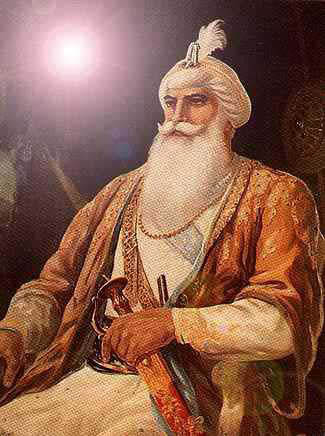
A great Sikh warrior Navab Jassa Singh Ahluwalia
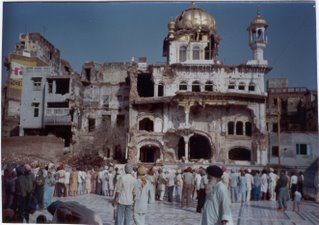
Sri Akal Takht Sahib was badly damaged during the infamous Operation Bluestar.

Monday, October 23, 2006

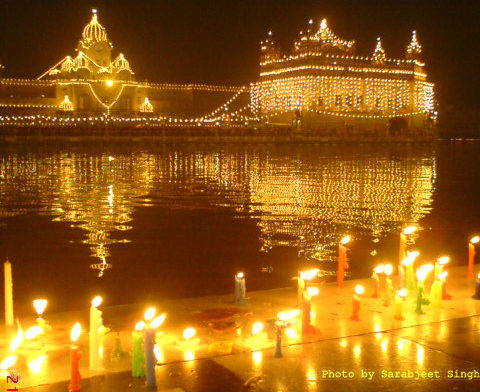
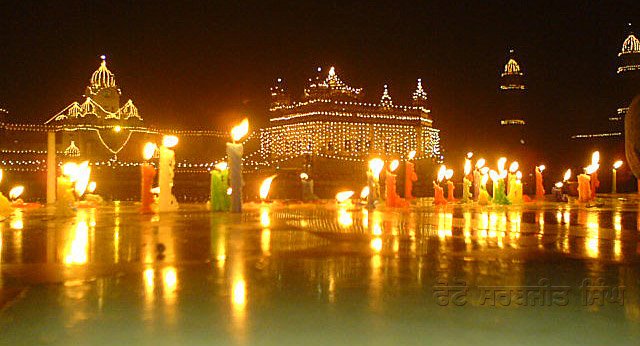
Diwali Amritsar di 2006: Exclusive Photographs

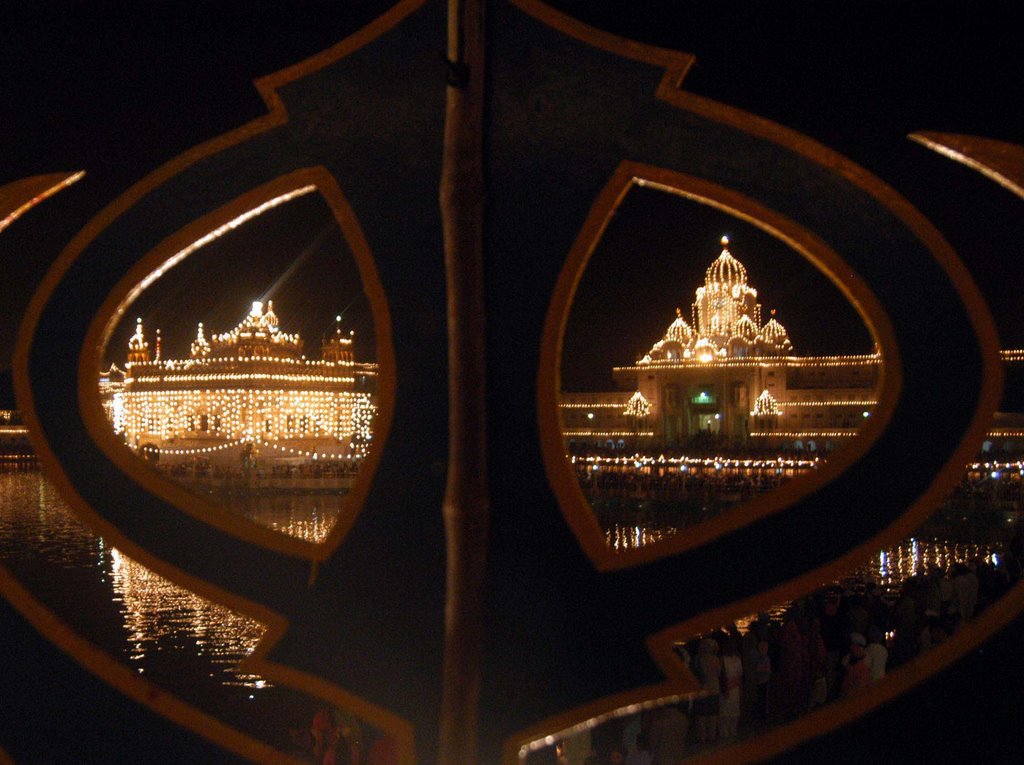
CLICK TO ENLARGE: Second floor of Sri Darbar Sahib, Amritsar on Diwali night.

Second floor of Sri Darbar Sahib, Amritsar on Diwali night.


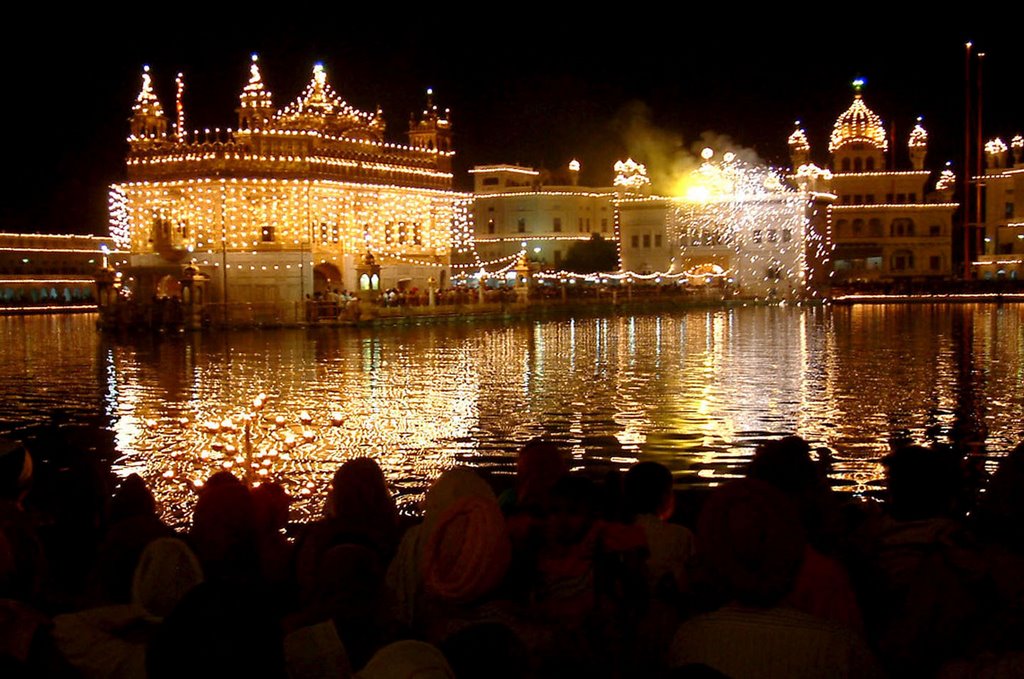
CLICK TO ENLARGE: A sea of Sangat listens to Hukamnama after Rehras Sahib on Diwali evening.

A sea of Sangat listens to Hukamnama after Rehras Sahib on Diwali evening.


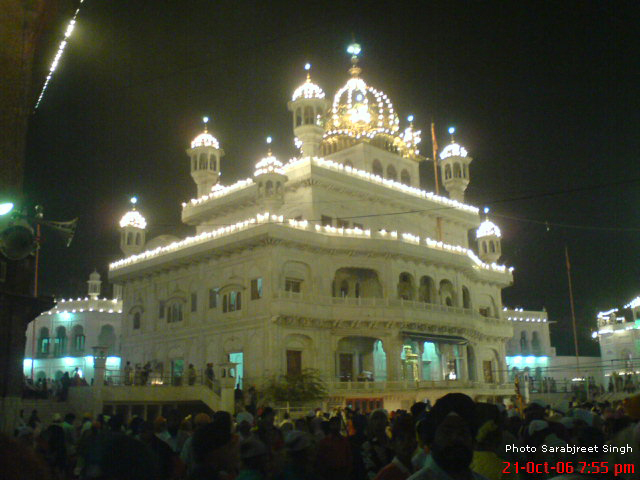
CLICK TO ENLARGE: Sri Akal Takht Sahib illuminated on Diwai night.

Sri Akal Takht Sahib illuminated on Diwai night.


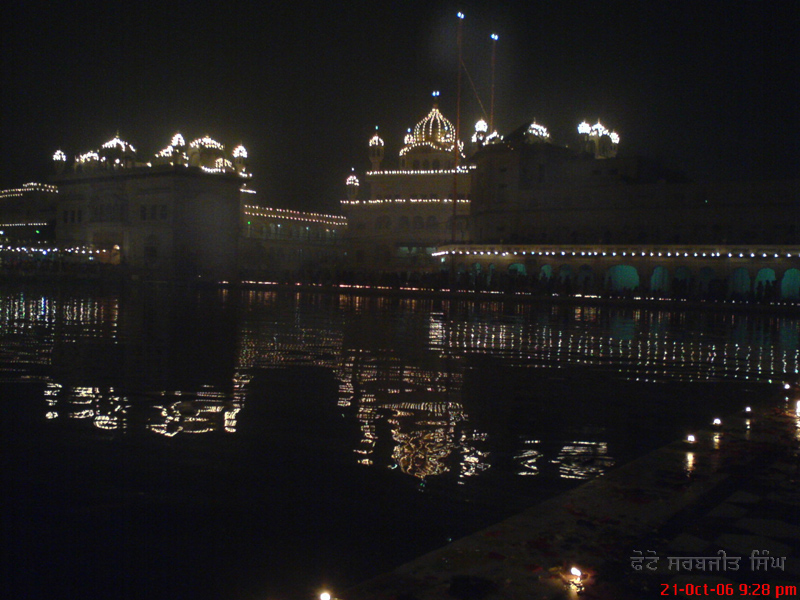
CLICK TO ENLARGE: 800x600 pixel Wallpaper. Sri Akal Sahib (right) and a glimpse of Darshani Deori (left).

800x600 pixel Wallpaper. Sri Akal Sahib (right) and Darshani Deori.


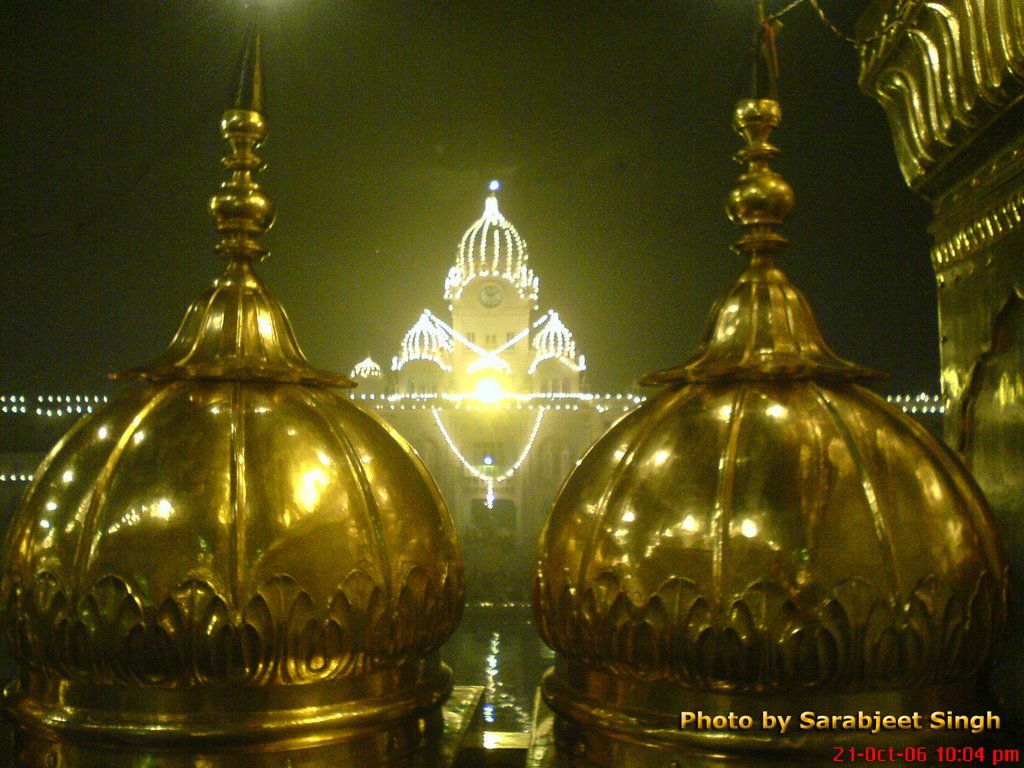
CLICK TO ENLARGE: Almighty Himself has created this beauty.

Almighty Himself has created this beauty.


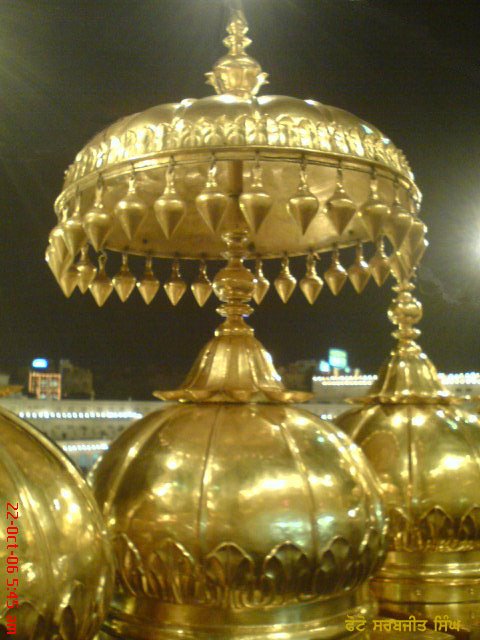
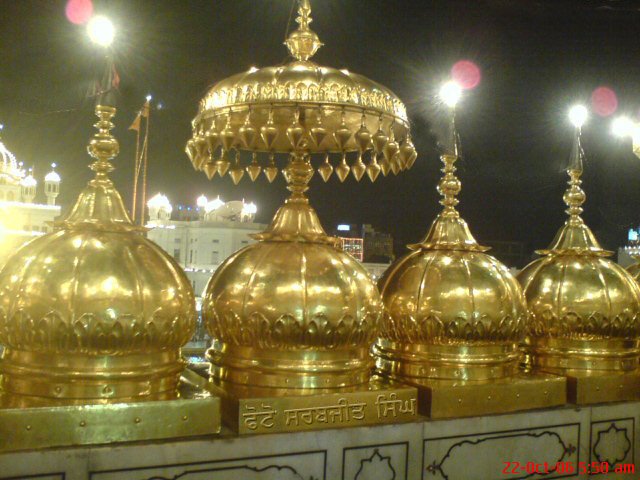
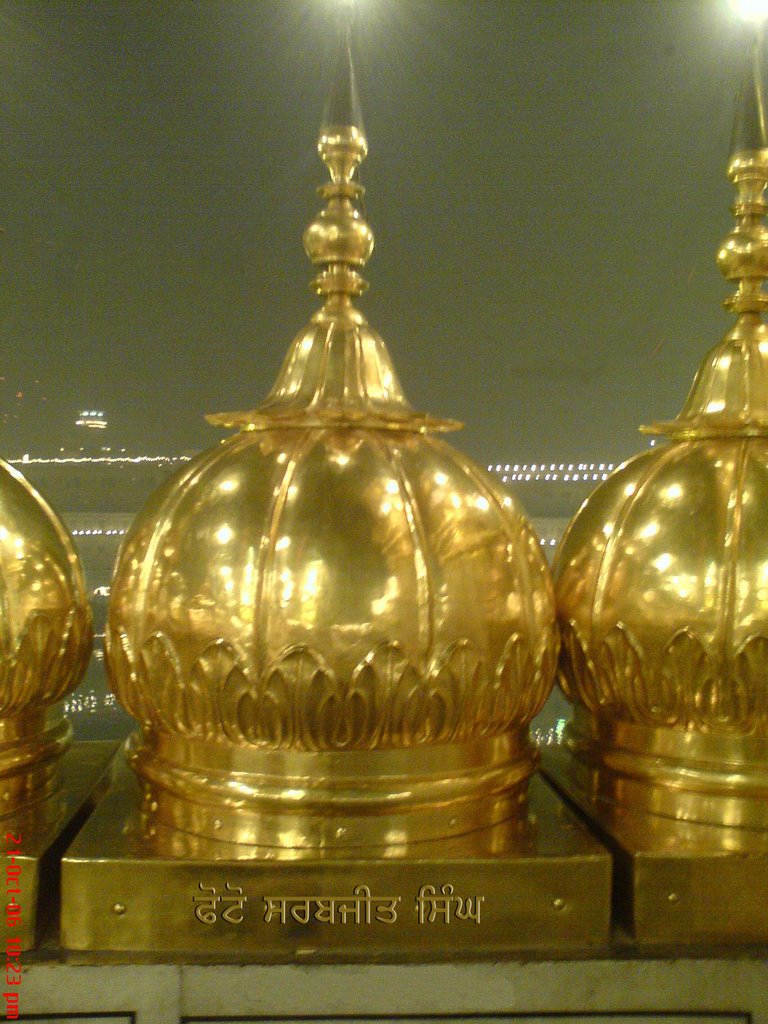
All that glitters here is gold.

All that glitters here is gold.


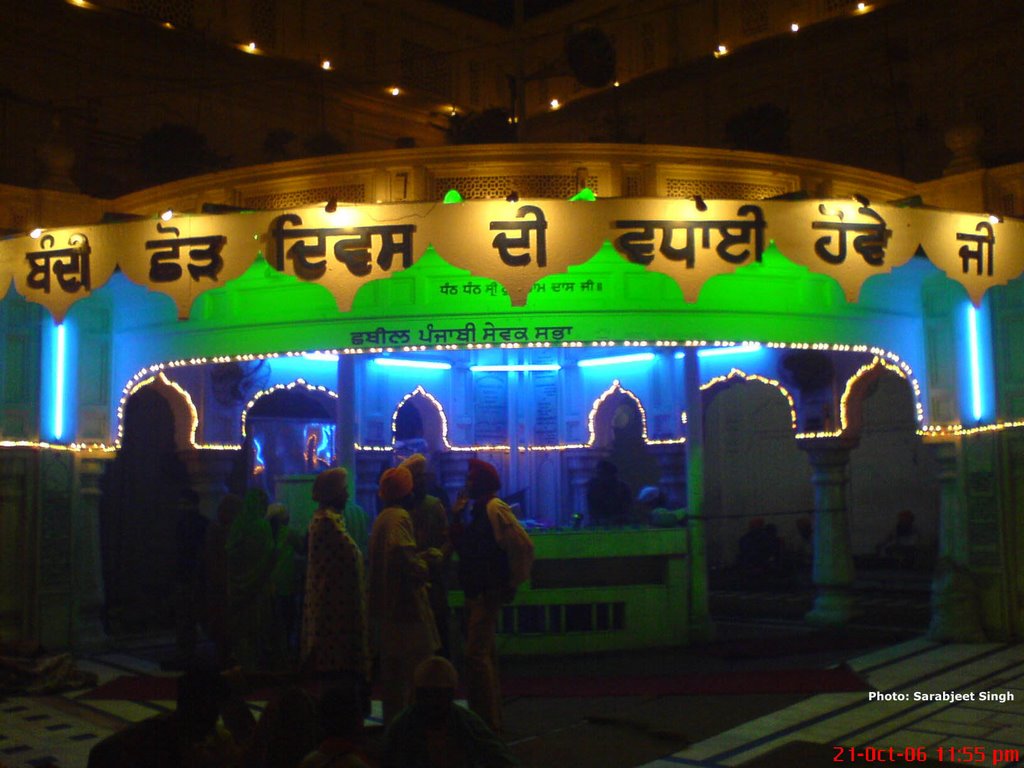
CLICK TO ENLARGE: Bandi Chhor Divas di vadhai hove Ji.
Why do Sikhs celebrate Diwali?
Sikhs call Diwali as Bandi Chhor Divas.
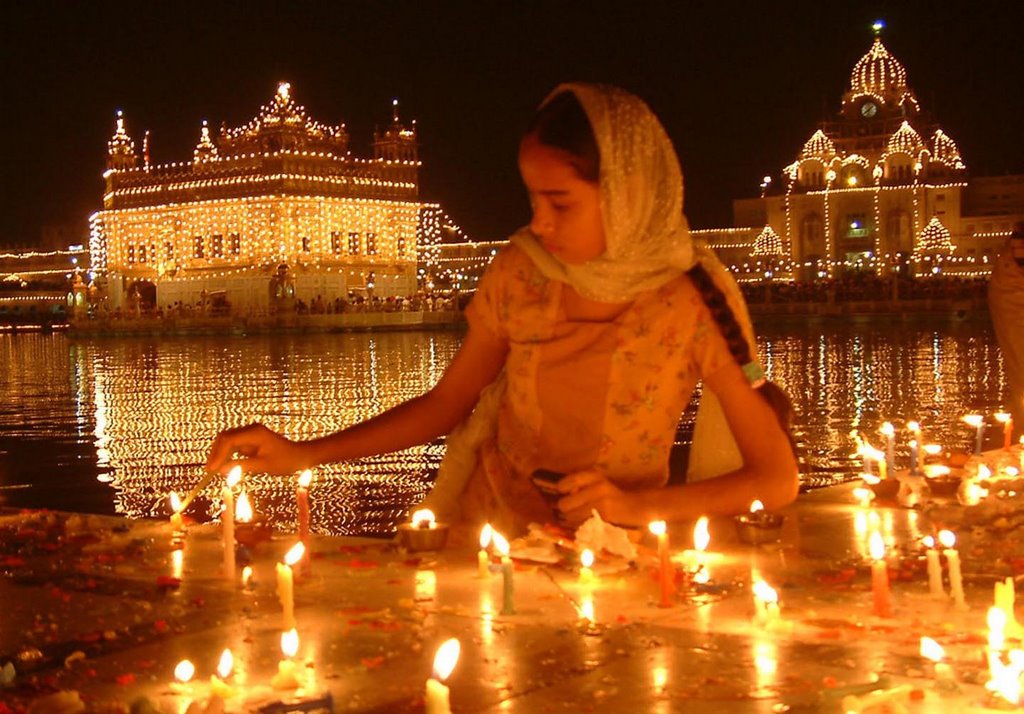
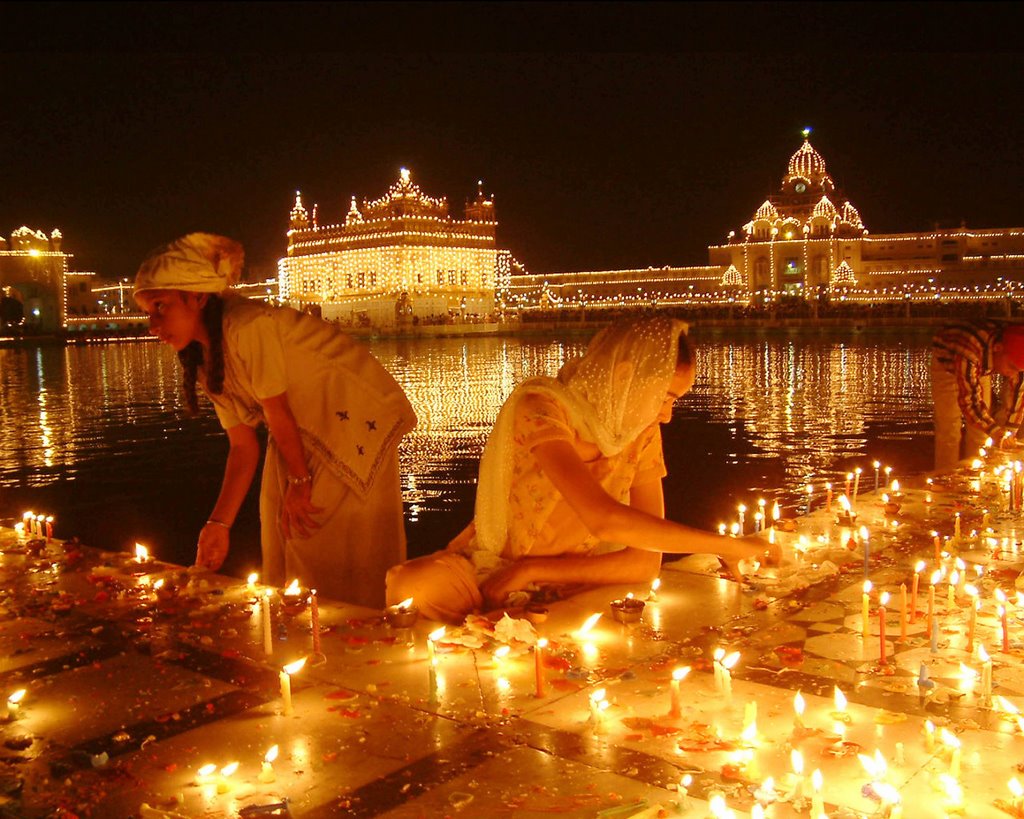
Mughal emperor Jahangir arrested the sixth Guru of Sikhs, Guru Hargobind Sahib, mistakenly. He was kept in Gwalior Fort. Later on realising his mistake, Jahangir repented and agreed to release Guru Sahib. The kind Guruji refused to leave the fort and demanded release of other 52 Hindu kings arrested by Jahangir, who were later released with Guruji. Guru Hargobind ji is known as Bandi Chhor because He helped the release of imprisoned ones (Bandis). After His release, Guruji returned to Amritsar where grand celebrations were held. Harmandir Sahib was illuminated and fireworks were displayed. The day coincided with Hindu festival Diwali.


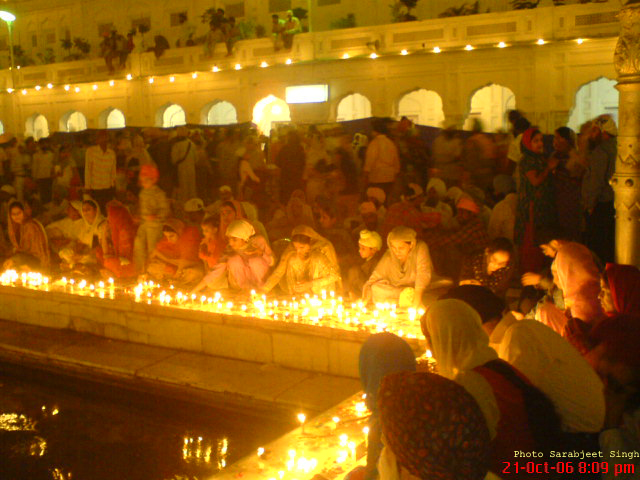
Girls enlight candles at Harmandar Sahib on Divali night.
Click photo to see 1440x1152 pixels photo.


This happened to some of the children who played with crackers carelessly last Divali in Chandigarh. Be careful, dear friends.